Summer may be over, but that doesn’t mean skincare for sun protection goes by the wayside.
Dark spots, uneven tone, and lingering acne marks are a year-round concern. Without the right approach, they can become harder to treat over time.
Understanding how pigmentation forms and how to manage it helps you protect your skin and maintain a gorgeous, even complexion!
What Causes Hyperpigmentation?
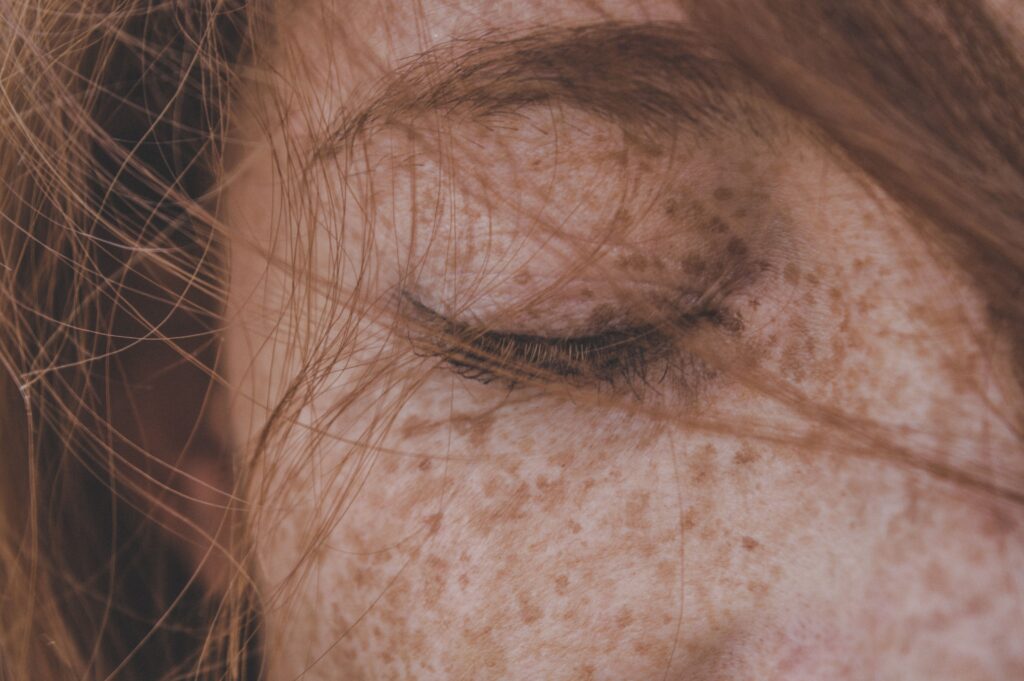
Hyperpigmentation occurs when your skin produces excess melanin.
Melanin is your skin’s natural pigment, and it increases as a response to damage or stress. It’s your skin’s way of protecting itself!
The most common triggers include:
- Sun exposure
- Inflammation from acne
- Hormonal changes
- Heat and environmental exposure
Research published through Harvard Health indicates that UV radiation directly stimulates melanin production and worsens conditions like melasma and post-inflammatory hyperpigmentation.
This is why even small amounts of daily sun exposure can lead to visible discoloration over time!
Why Sun Protection Still Matters in Fall and Winter

Cooler weather does not mean UV exposure disappears.
Even during fall and winter, daily sun exposure still contributes to:
- Darkening existing spots
- Slower fading of pigmentation
- New discoloration over time
UV rays reach your skin year-round, including on cloudy and colder days. Skipping sunscreen once summer ends gives pigmentation more opportunity to stick around.
Consistent sun protection helps support a more even skin tone and protects the progress you are making with the rest of your skincare routine.
Why SPF Matters Every Day
SPF sunscreen is hands down the most important step in preventing pigmentation, as it protects your skin from the UV rays that trigger melanin production.
As a rule of thumb, you should be wearing SPF every single day, even when it’s cloudy. UV rays penetrate clouds and still reach your skin, so skipping SPF, even on overcast days, lets damage continue happening.
Dermatological research shows that sun exposure is the leading cause of hyperpigmentation, making daily protection absolutely essential for prevention and maintenance.
How to Treat Existing Pigmentation
Preventing pigmentation is only one part of the equation. To improve existing discoloration, you need targeted treatment.

Surface-level products can help. Common brightening ingredients include azelaic acid, glycolic acid, retinol, vitamin C, and niacinamide.
But professional treatments often deliver more noticeable results.
A pigment-focused chemical peel is one of the most effective options available.
What Is a Pigment Correct Peel?
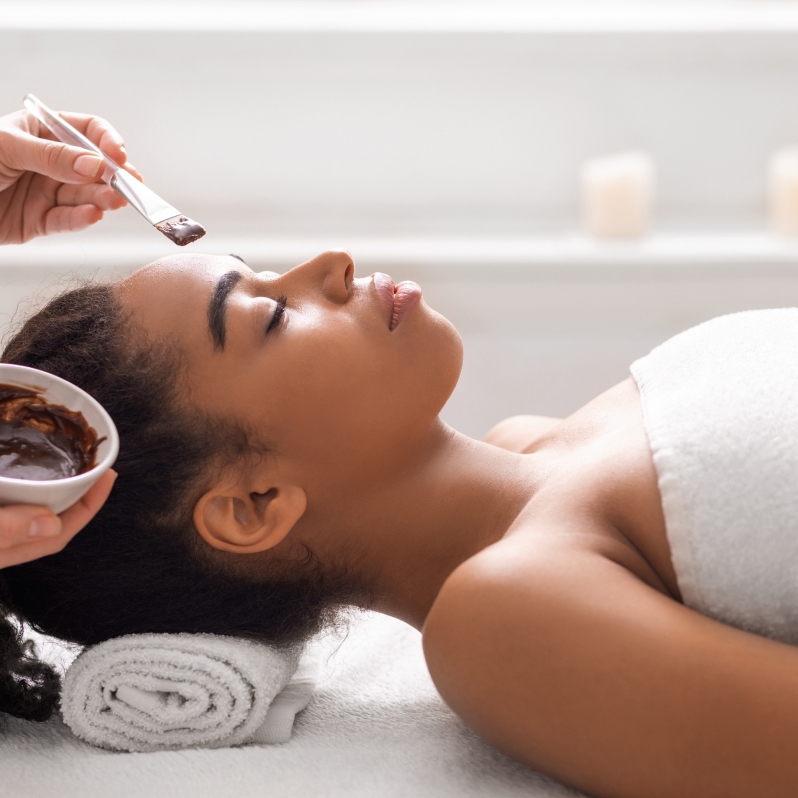
A pigment correct peel is specifically designed to address all forms of hyperpigmentation.
This treatment uses a combination of acids and active ingredients to:
- Exfoliate damaged skin
- Break down excess pigment
- Improve overall tone and clarity
This multi-acid technology allows for effective treatment across different skin tones with little to no downtime. Pretty amazing, right?
How the Pigment Correct Peel Works
The peel works by accelerating skin turnover and targeting pigment at multiple levels — it’s comprehensive care!
During treatment:
- The outer layer of damaged skin is gently exfoliated
- Pigment is broken up and gradually fades
- Skin renewal is stimulated
This process leads to visible improvement in tone and clarity. Results can appear quickly. This treatment delivers up to a 17% reduction in visible hyperpigmentation within just one week.
What to Expect After Treatment
After your peel, your skin may feel a little tight and appear slightly flushed. Totally normal!
In the following days:
- Your skin begins to renew itself
- Dark spots start to fade
- Tone becomes more even
At Blue Door Skin Studio, each pigment peel includes a take-home post-peel kit to help you along the way.
This kit helps:
- Calm the skin
- Maintain hydration
- Support recovery
Following aftercare instructions is extremely important to protecting your beautiful results!
How to Maintain Your Results
Treating pigmentation is only the first step. Maintaining your gorgeous results requires consistency!
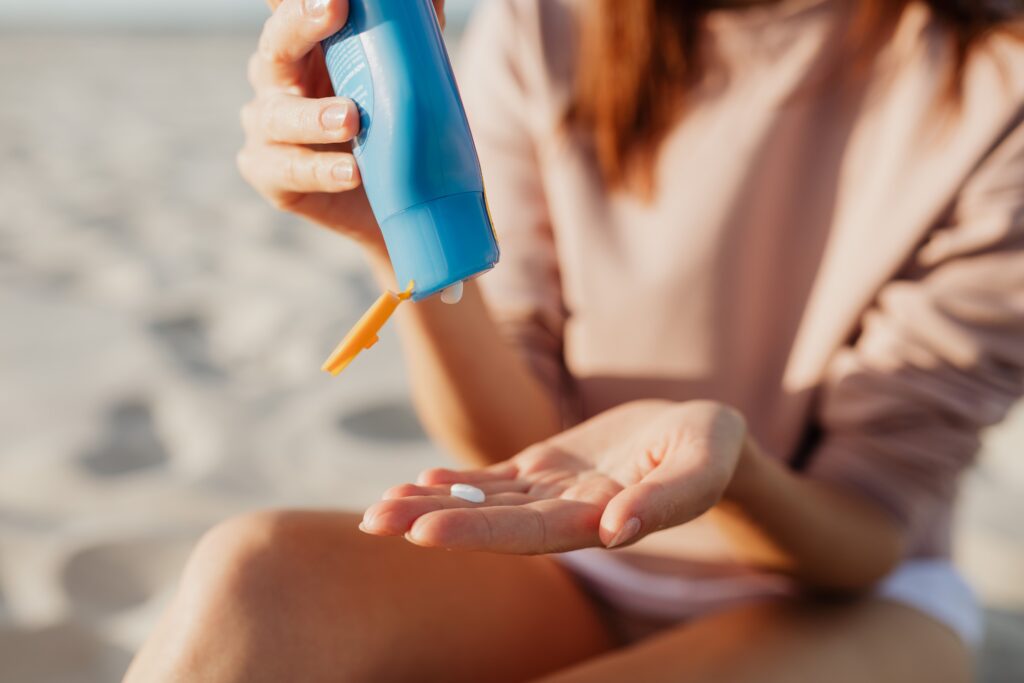
To protect your skin:
- Wear SPF daily (yes, every day!)
- Limit direct sun exposure
- Follow a consistent skincare routine
- Stay hydrated
Without protection, pigmentation can return quickly, so let’s keep that glow going!
Signs You Should Treat Pigmentation
You may benefit from a pigment peel if you notice:
- Sun spots or dark patches
- Uneven skin tone
- Acne marks that just won’t fade
- Dull or blotchy skin
Early treatment helps prevent pigment from becoming more pronounced. The sooner, the better!
Build a Seasonal Skincare Strategy

Your skin’s needs change with the seasons, and that’s completely normal!
Spring and summer require a stronger focus on:
- Sun protection (SPF is your BFF!)
- Hydration
- Targeted treatments
By adjusting your routine, you protect your skin and improve long-term results. It’s all about being proactive!
Clearer Skin Starts with Prevention and Treatment

Hyperpigmentation is one of the most common skin concerns, especially during warmer months. You’re definitely not alone!
With the right approach, you can:
- Prevent new discoloration
- Improve existing dark spots
- Maintain a brighter, more even complexion
Daily SPF and professional treatments work together beautifully to protect and correct your skin.
Book your pigment correct peel at Blue Door Skin Studio and take control of your skin this season. Your most radiant complexion is waiting for you!